
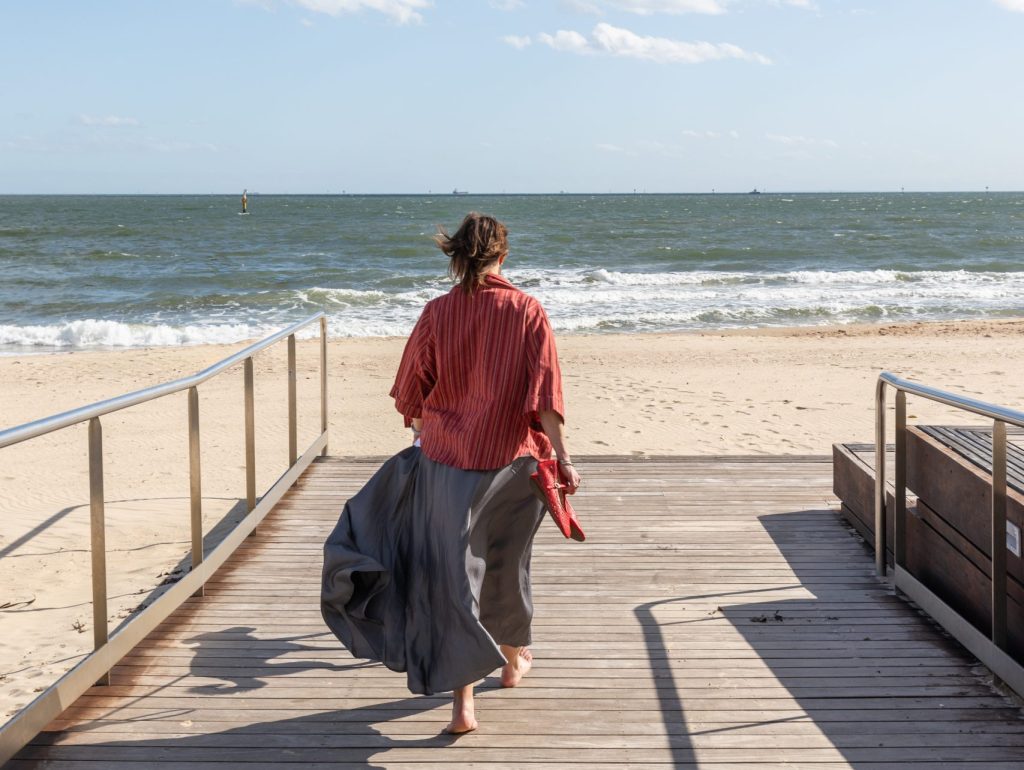
There is something about Florence and the Machine that captures the experience of anxiety in a way that clinical language rarely does. Florence Welch draws on her own experience of anxiety as creative material, as many artists do, and her song Free, from the 2022 album Dance Fever, reflects this directly. The song describes the feeling of anxiety taking over: the speed of it, the inability to control it, the sense of being constantly pursued by something internal. And then the relief: movement, music, the body finding its way back to something freer.
It is a vivid description of something many people experience but find hard to articulate. Anxiety arrives fast. It rarely announces itself logically. And it can feel relentless.
If you are not familiar with the song, the film clip is worth watching.
What anxiety actually is
Anxiety is not a flaw or a weakness. It is an adaptive response, designed to protect us. When the brain perceives threat — whether real or anticipated — it activates the body’s fight, flight, or freeze response. Heart rate increases. Breathing becomes shallower and faster. Muscles tense. Digestion slows. The body is preparing to act.
The difficulty is that this response does not distinguish well between physical threat and psychological threat. A physical danger could genuinely harm us. Criticism, loss, embarrassment, or the weight of something that matters deeply will not cause physical pain, but the body responds as though it could.
Two things that can help
There are many approaches to managing anxiety, and the most effective strategies tend to be tailored to the individual. Two that are consistently supported by research, and that I return to regularly in clinical work, are breathing and movement.
Breathing
When we are anxious, breathing is one of the first things to change. It becomes shallow and fast, which can amplify other physiological symptoms including tightness in the chest, shakiness, and a sense of unreality. Learning to breathe slowly and deliberately, extending the exhale in particular, activates the parasympathetic nervous system and can begin to reduce the intensity of the anxiety response. It brings what is sometimes called the rational thinking mind back online.
This sounds straightforward, but it takes practice. Slow breathing is most effective when it has been rehearsed during calm moments, so that it is available when anxiety peaks. Like any skill, it is harder to access under pressure if it has not been practised beforehand.

Movement
This is what Florence Welch found. And there is good reason for it.
Because anxiety prepares the body to move, movement can be one of the most direct ways to work with it rather than against it. Physical activity helps metabolise the adrenaline that anxiety produces, and shifts attention from internal rumination to the body and its immediate environment. Research consistently supports exercise as an effective intervention for both acute and chronic anxiety, with aerobic activity in particular showing meaningful reductions in anxiety symptoms across multiple studies.
Importantly, the movement does not need to be intense or competitive. For me, cycling and open water swimming both serve this function well, not because of the pace or the effort, but because of the combination of rhythm, breath, and presence that each requires. A walk can do the same thing. What matters is finding movement that draws your attention outward and gives the body somewhere to put the energy that anxiety generates.
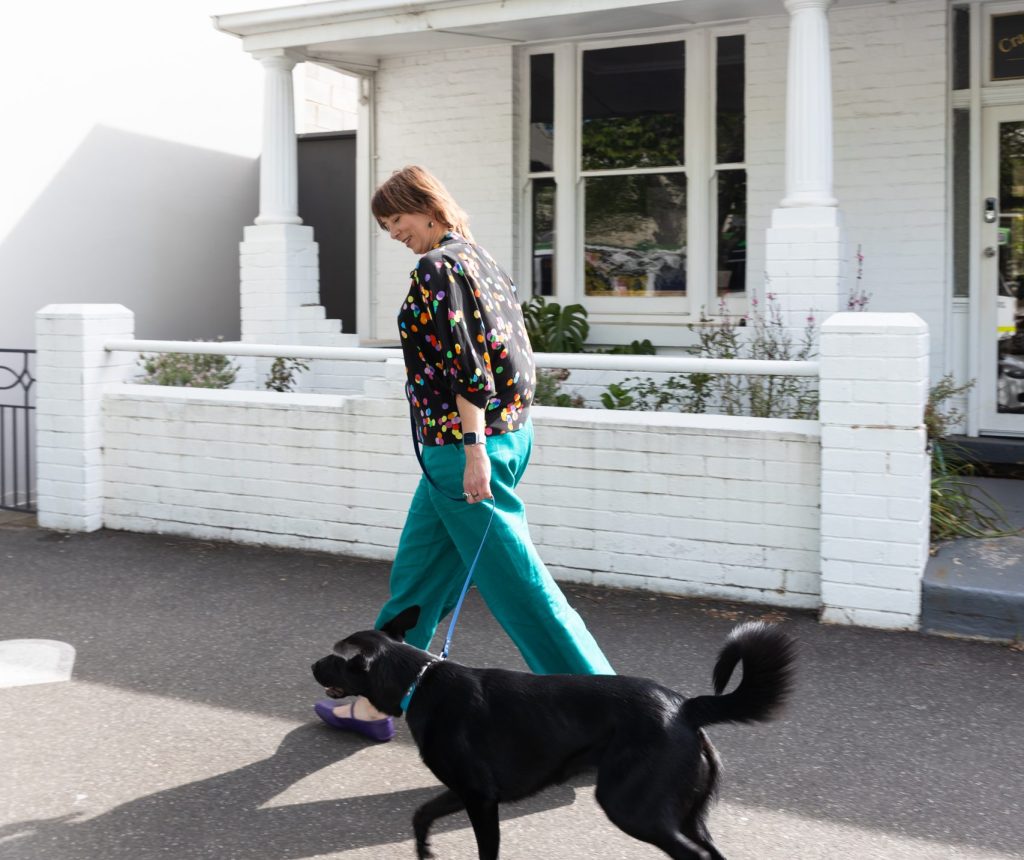
As Florence describes it, there are moments when movement, or music, or both, creates a felt sense of freedom. Not because the anxiety has been resolved, but because the body has found a way through it.
A note on practice
Neither of these strategies works immediately or perfectly. Managing anxiety is not about eliminating it. Anxiety serves a function and will always be part of a full human life. The goal is to develop a relationship with it that is less reactive and more workable. That takes time, consistency, and often support.
If anxiety is significantly affecting how you are living or working, working with a psychologist can help you develop a more personalised and sustainable approach. If you would like to explore what that might look like, I would welcome the opportunity to work with you.
