
First published February 2018. Updated December 2025 to reflect current performance psychology and nervous system–informed approaches.
I Want to Perform Well. What Do I Do Now?
This article follows on from Part 1 of The Psychology of Bike Racing series, which explored how pressure, attention, and physiological arousal can interfere with performance.
As outlined previously, racing involves a mix of factors that are within your control and factors that are outside your control. How you respond to both shapes not only performance, but also enjoyment and recovery.
While this article focuses on cycle racing, the principles discussed apply across many sporting events and performance settings. Throughout this article, the term event is used to refer to races and other structured performance contexts. This article focuses on preparing for bike racing by reducing uncertainty, building familiarity with events, and supporting steadier performance under pressure.
Reducing Uncertainty in Racing
Uncertainty is a major driver of performance anxiety. When uncertainty is high, the nervous system is more likely to move into a protective state, narrowing attention and increasing physiological tension.
Reducing uncertainty doesn’t mean controlling outcomes. It means increasing familiarity with the process of racing so the system has fewer unknowns to manage.
Before the Event: Clarifying the Process
Gathering information before event day can significantly reduce cognitive load and unnecessary stress.
Although many event-day conditions are outside your control, choosing to seek information is not. Asking questions of more experienced riders can help you feel oriented and prepared.
Examples include:
What do I need to bring?
What should I wear?
Where is registration?
Are there toilets available?
Can I ride the course beforehand?
Do I need lights?
Will I need food before, during, or after the race?
These details may seem small, but familiarity supports steadier performance.

Understanding the Specific Event
Each race has unique demands. Learning about the course and format in advance allows you to anticipate what the race will require of you physically and mentally.
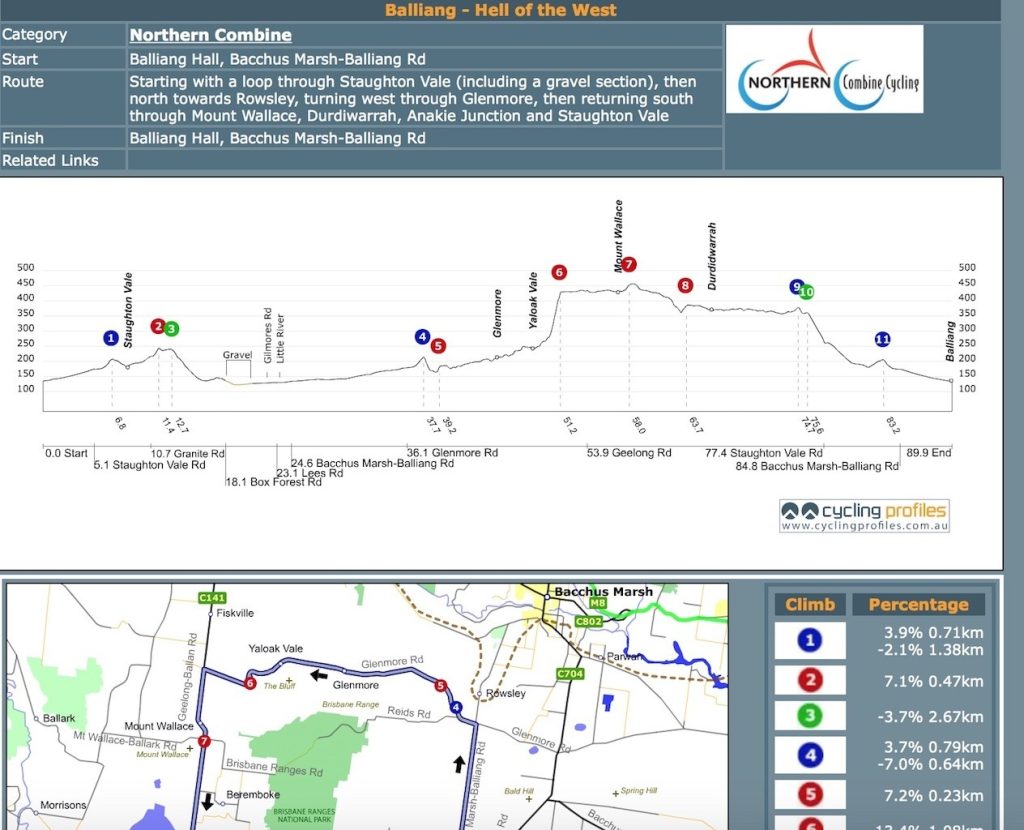
Useful information might include:
Location and travel time
Course profile (flat, rolling, hilly, mountainous)
Sprint points or QOM climbs
Event duration (time and/or distance)
Neutral starts
Traffic conditions
Likely weather
You can’t change these factors, but knowing them in advance helps you prepare and reduces reactivity on the day.
During the Event: Holding the Bigger Picture
Managing uncertainty during an event involves more than mindset alone. It also requires being able to hold relevant information in mind while riding, or participating.
This might include:
remembering where key points on the course occur
knowing the overall race distance or duration
setting up your bike computer to show information you find useful (time, distance, heart rate, power, cadence)
identifying riders of similar ability you might pace with
This isn’t about over-monitoring — it’s about reducing guesswork so attention can stay on riding.
Taking Control of Your Training
Training is one of the most significant controllable factors in racing preparation. It shapes not only physical readiness, but also confidence and familiarity.
Three elements matter most.
Fitness & Strength
Preparing for an event means developing the fitness and strength required for its specific demands.
For example, entering a 100km event after only riding 20km distances is likely to make the experience uncomfortable and discouraging. Gradually building volume and intensity supports both performance and enjoyment.
Different race formats require different physical capacities:
criteriums demand repeated high-intensity efforts
road races and time trials require sustained output
Racing itself is often one of the best ways to build race-specific fitness. Speaking with more experienced riders or working with a coach can help clarify what preparation is realistically required.
Skills and Strategy
Skills and strategy develop through exposure, observation, and experience.
Helpful ways to build these include:
watching races
participating in bunch rides
entering events with a learning focus rather than outcome focus
Racing is not always about winning. Often, it’s about learning how to position yourself, read other riders, manage effort, and respond safely and effectively in a bunch.
When training for major events, I’ve often used weekly races as structured practice — testing pacing, tactics, and endurance rather than aiming for results. This approach builds familiarity and confidence over time.

Mindset
Mindset is often what differentiates riders of similar physical ability — not because of “mental toughness”, but because of how they respond to pressure.
This element of performance will be explored in detail in Part 3 of this series, focusing on how to work with mindset, attention, and physiological arousal under pressure.
Image Credits
Images of cyclists by @fullgasimagery and are used with permission.
Image of HoTW course details taken from cyclingprofiles website.
